

30 Aug Vegetable Chips: Benefits and Why They’re a Healthy Snack
Vegetable Chips: Benefits and Why They’re a Healthy Snack
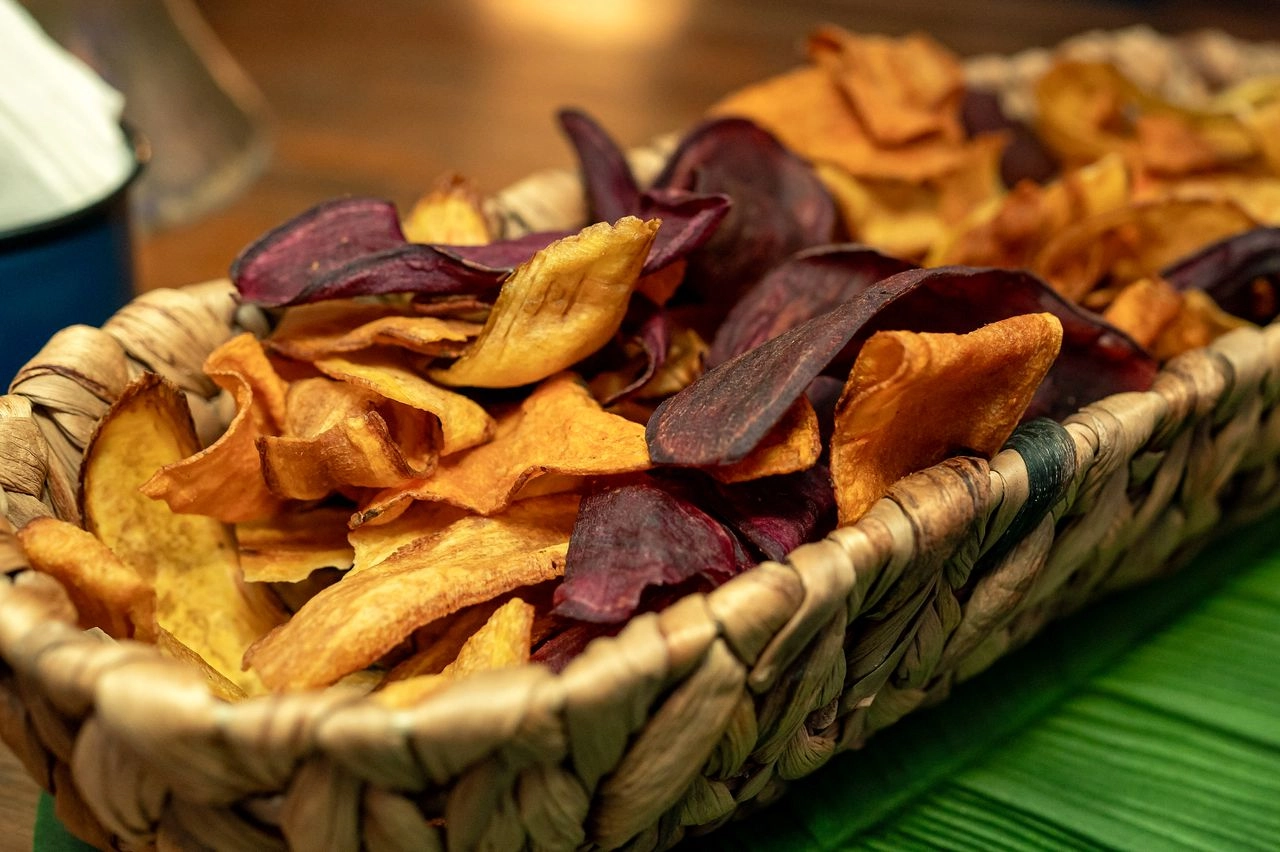
Vegetable chips have become one of the most popular alternatives to traditional potato chips. Made from vegetables such as beetroot, carrots, sweet potatoes, kale, or zucchini, they are loved for their crispy texture, delicious flavor, and nutritional value when prepared using quality ingredients and healthier cooking methods.
One of the most common questions is whether vegetable chips are actually healthy. The answer depends on both the ingredients and how they are prepared. Baked or dehydrated vegetable chips generally retain more of the vegetables’ natural nutrients, while fried versions with added salt and refined oils may lose many of their nutritional advantages.
In this guide, you’ll discover what vegetable chips are, their main health benefits, their nutritional value, whether they can be part of a balanced diet, and how to choose healthier options.
What Are Vegetable Chips?
Veggie chips are a crunchy snack made by slicing vegetables into thin pieces before baking, dehydrating, or sometimes frying them. Some of the most common vegetables used include:
- Carrots
- Beetroot
- Sweet potatoes
- Zucchini
- Kale
- Parsnips
- Cassava
Their popularity has grown because they offer a delicious way to include more vegetables in your daily diet. Depending on the ingredients used, vegetable chips may provide fiber, vitamins, minerals, and naturally occurring antioxidants.
However, not all vegetable chips are created equal. Their nutritional value can vary significantly depending on the cooking method, the amount of oil used, and the addition of ingredients such as salt, sugar, or artificial flavorings.
Are Vegetable Chips Healthy?
Yes, vegetable chips can be a healthy snack when they are primarily made from vegetables, baked or dehydrated instead of fried, and contain only a few simple ingredients. These options retain part of the vegetables’ natural fiber, vitamins, minerals, and antioxidant compounds.
However, not every product available on supermarket shelves offers the same nutritional quality. Some commercial brands contain large amounts of oil, sodium, or ultra-processed ingredients, increasing their calorie content and reducing their health benefits.
When buying vegetable chips, it’s always worth checking the ingredient list and nutrition label. The healthiest options usually contain a high percentage of vegetables, a short ingredient list, and moderate amounts of salt and fat.
💚 Healthy Tip:
Choose baked or dehydrated vegetable chips whenever possible and enjoy them as part of a balanced diet rich in fruits, vegetables, whole grains, legumes, and quality protein.
Top Benefits of Vegetable Chips
When prepared with quality ingredients and healthier cooking methods, vegetable chips can offer several nutritional benefits as part of a balanced diet.
1. They’re a Good Source of Dietary Fiber
Many vegetables used to make chips naturally contain dietary fiber, an important nutrient that supports healthy digestion, promotes satiety, and contributes to overall digestive health.
Although some fiber may be lost during processing, baked or dehydrated vegetable chips generally retain more fiber than heavily processed snack foods.
2. They Provide Vitamins and Minerals
Depending on the vegetables used, vegetable chips may provide nutrients such as vitamins A, C, and K, along with minerals like potassium, magnesium, and iron, all of which play important roles in maintaining normal body functions.
For example, sweet potato chips are naturally rich in beta-carotene, while kale chips provide vitamin K and beneficial plant compounds.
3. They Contain Natural Antioxidants
Vegetables such as beetroot, kale, and carrots naturally contain antioxidants that help protect the body’s cells from oxidative stress caused by free radicals.
Including antioxidant-rich vegetables as part of a varied diet may support overall health and wellbeing.
4. They Can Be a Healthier Alternative to Traditional Snacks
Compared with many ultra-processed snack foods, baked or dehydrated vegetable chips can be a smarter choice for people looking to increase their vegetable intake while still enjoying a crunchy snack.
However, it’s important to remember that “vegetable” doesn’t automatically mean “healthy.” Always check the nutrition label and choose products made with a high percentage of vegetables and limited amounts of added salt and oil.
Nutritional Value of Vegetable Chips
The nutritional value of vegetable chips can vary significantly depending on the type of vegetables used and, most importantly, the cooking method. Baked or dehydrated vegetable chips generally retain more of their natural nutrients, while fried versions tend to contain higher amounts of fat and calories.
In general, vegetable chips may provide:
- Dietary fiber
- Vitamins such as A, C, and K
- Minerals including potassium, iron, and magnesium
- Natural antioxidants found in vegetables like beetroot, kale, and carrots
- Carbohydrates naturally present in vegetables
Although vegetable chips can be part of a balanced diet, it’s important to enjoy them in moderation, as some commercial products contain high levels of sodium or added oils.
*Values are approximate and may vary depending on the vegetables used and the cooking method (baked, dehydrated, or fried).
Vegetable Chips vs. Potato Chips: Which Is Healthier?
Although both are crunchy snacks, there are some important nutritional differences between vegetable chips and traditional potato chips.
Baked or dehydrated vegetable chips often provide a wider variety of vitamins, minerals, and antioxidants because they are made from different vegetables. They may also contain more dietary fiber than traditional potato chips, depending on the ingredients used.
On the other hand, regular potato chips are typically deep-fried, increasing their fat and calorie content. Many commercial varieties also contain higher amounts of salt and additives.
That said, not all vegetable chips are automatically healthier. If they are fried or contain excessive amounts of oil, sodium, or artificial ingredients, their nutritional profile may be very similar to traditional potato chips.
Ultimately, the healthiest choice depends on the ingredients and the preparation method.
Can Vegetable Chips Help with Weight Management?
Vegetable chips are not a weight-loss food on their own, but they can fit into a healthy, balanced diet when enjoyed in appropriate portions.
Because many vegetables naturally contain fiber, some varieties of vegetable chips may help increase feelings of fullness compared to heavily processed snacks. Choosing baked or dehydrated options can also reduce the amount of added fat compared to fried products.
However, vegetable chips still contain calories, so portion control remains important. Pairing them with nutrient-rich foods such as fresh fruit, vegetables, lean protein, legumes, and whole grains is the best way to support a balanced eating pattern.
When enjoyed in moderation, vegetable chips can be a satisfying snack that complements a healthy lifestyle.
How to Choose Healthy Vegetable Chips
Not all vegetable chips available in supermarkets offer the same nutritional quality. Reading the nutrition label and ingredient list can help you make a healthier choice.
Here are a few tips:
- Choose products where vegetables are the main ingredient.
- Prefer baked or dehydrated chips over fried varieties.
- Look for products with a short ingredient list.
- Select options that are lower in sodium.
- Avoid products with added sugars or unnecessary artificial flavorings.
- When oil is used, choose products made with healthier oils such as extra virgin olive oil or high-quality vegetable oils.
The simpler the ingredient list, the easier it is to identify a healthier product.
💚 Healthy Tip:
Vegetable chips can be a delicious snack, but they shouldn’t replace fresh vegetables in your daily diet. For the greatest nutritional benefits, enjoy them alongside a balanced eating pattern rich in fruits, vegetables, legumes, whole grains, and quality protein.
How to Make Homemade Veggie Chips
Making vegetable chips at home is an easy way to enjoy a healthier snack while controlling the ingredients and cooking method. Plus, you can choose your favorite vegetables and reduce the amount of added salt and oil.
Ingredients
- 1 sweet potato, beetroot, carrot, or zucchini
- 1 tablespoon of extra virgin olive oil (optional)
- A pinch of salt
- Herbs and spices such as paprika, garlic powder, black pepper, or rosemary
Instructions
- Wash the vegetables thoroughly and slice them into very thin pieces using a mandoline or a sharp knife.
- Pat the slices dry with paper towels to remove excess moisture.
- Arrange them in a single layer on a baking tray lined with parchment paper.
- Lightly drizzle with olive oil and season with your favorite herbs and spices.
- Bake at 320-350°F (160-180°C) for 20–35 minutes, depending on the vegetable and slice thickness, turning them halfway through cooking.
- Allow the chips to cool for a few minutes before serving to achieve an extra crispy texture.
Homemade vegetable chips are a simple and delicious way to enjoy a crunchy snack with less fat than many commercially fried alternatives.
Conclusion
Vegetable chips can be a delicious and nutritious alternative to traditional snacks when they’re made with quality ingredients and healthier cooking methods such as baking or dehydrating. They may provide dietary fiber, vitamins, minerals, and antioxidants naturally found in vegetables while adding variety to your daily diet.
However, it’s important to remember that not every product on the market offers the same nutritional quality. Reading the ingredient list and choosing options with less salt and added fat can help you make healthier choices.
At Healthy Poke, we believe that healthy eating isn’t about giving up your favorite snacks—it’s about making smarter choices and enjoying a balanced diet filled with fresh, wholesome ingredients.
Frequently Asked Questions About Vegetable Chips
Are vegetable chips actually healthy?
Yes, vegetable chips can be a healthy snack when they are primarily made from vegetables and prepared by baking or dehydrating instead of frying. However, it’s always important to check the nutrition label, as some commercial products contain high amounts of oil, sodium, or artificial ingredients.
Do vegetable chips cause weight gain?
Like any food, vegetable chips can contribute to weight gain if consumed in excess. Enjoyed in moderation as part of a balanced diet, they can be a satisfying snack without negatively affecting your healthy eating goals.
What vegetables are best for making veggie chips?
Popular choices include sweet potatoes, beetroot, carrots, kale, zucchini, parsnips, and cassava. Each vegetable offers its own unique flavor, texture, and nutritional benefits.
Are vegetable chips healthier than potato chips?
It depends on how they’re prepared. Baked or dehydrated vegetable chips generally contain a wider variety of vitamins, minerals, and fiber than traditional potato chips. However, fried vegetable chips may have a nutritional profile similar to regular potato chips.
Can I eat veggie chips every day?
Vegetable chips can be enjoyed occasionally as part of a healthy diet, but they shouldn’t replace fresh vegetables. Eating a variety of fresh produce every day remains the best way to meet your nutritional needs.
How do I choose healthy vegetable chips?
Look for products where vegetables are the main ingredient, with a short ingredient list, moderate sodium levels, and little to no added sugars. Baked or dehydrated varieties are usually healthier than fried options.
CREATE YOUR HEALTHY POKE BOWL
Choose your ingredients and create the Poke you love the most.
You have over 25 ingredients to make it your own.

CHOOSE YOUR SIZE
Large or Medium

CHOOSE YOUR BASE
Sushi Rice, Brown Rice, Quinoa, Mixed Lettuce, Spinach, or Arugula

CHOOSE YOUR PROTEIN
Salmon, Tuna, Mix (Tuna and Salmon), Chicken, Tuna in Olive Oil, or Prawn
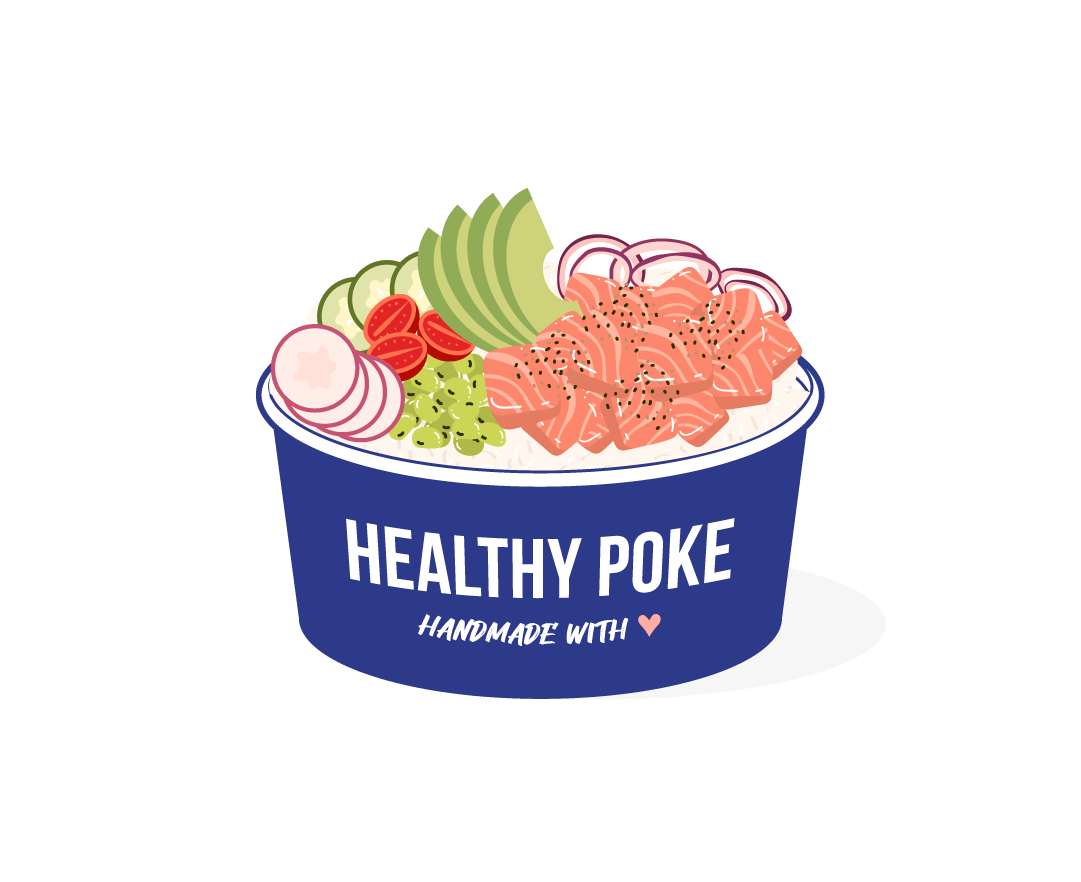
CHOOSE YOUR TOPPINGS AND SAUCES
Pick from 30 different toppings and 8 delicious sauces!
FEATURED DISHES
The dishes you order the most are right here.
Craving one of them?
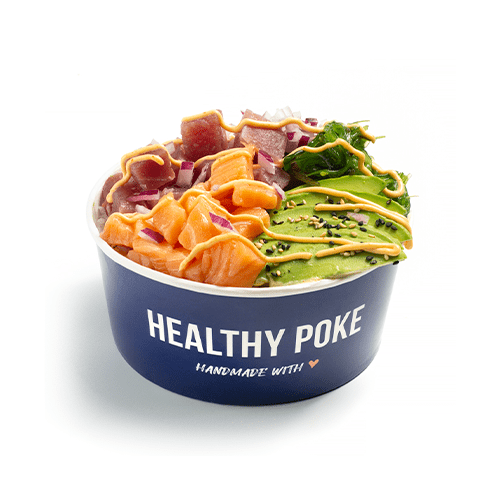
Healthy Mix Poke
Rice · Salmon · Tuna · Onion · Avocado · Wakame Seaweed · Sesame Seeds · Spicy Mayo Sauce
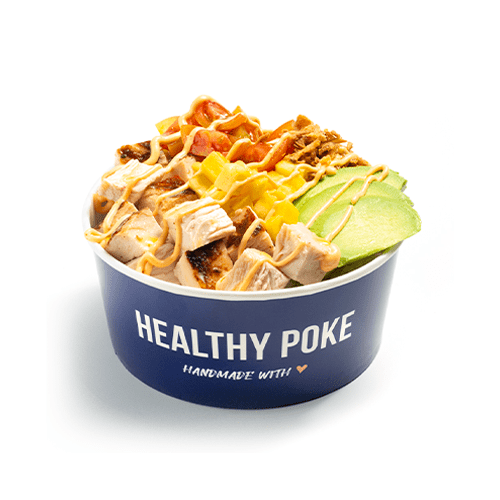
Healthy Chicken
Sushi Rice · Chicken · Mango · Avocado · Cherry Tomato · Crispy Onion · Spicy Mayo Sauce
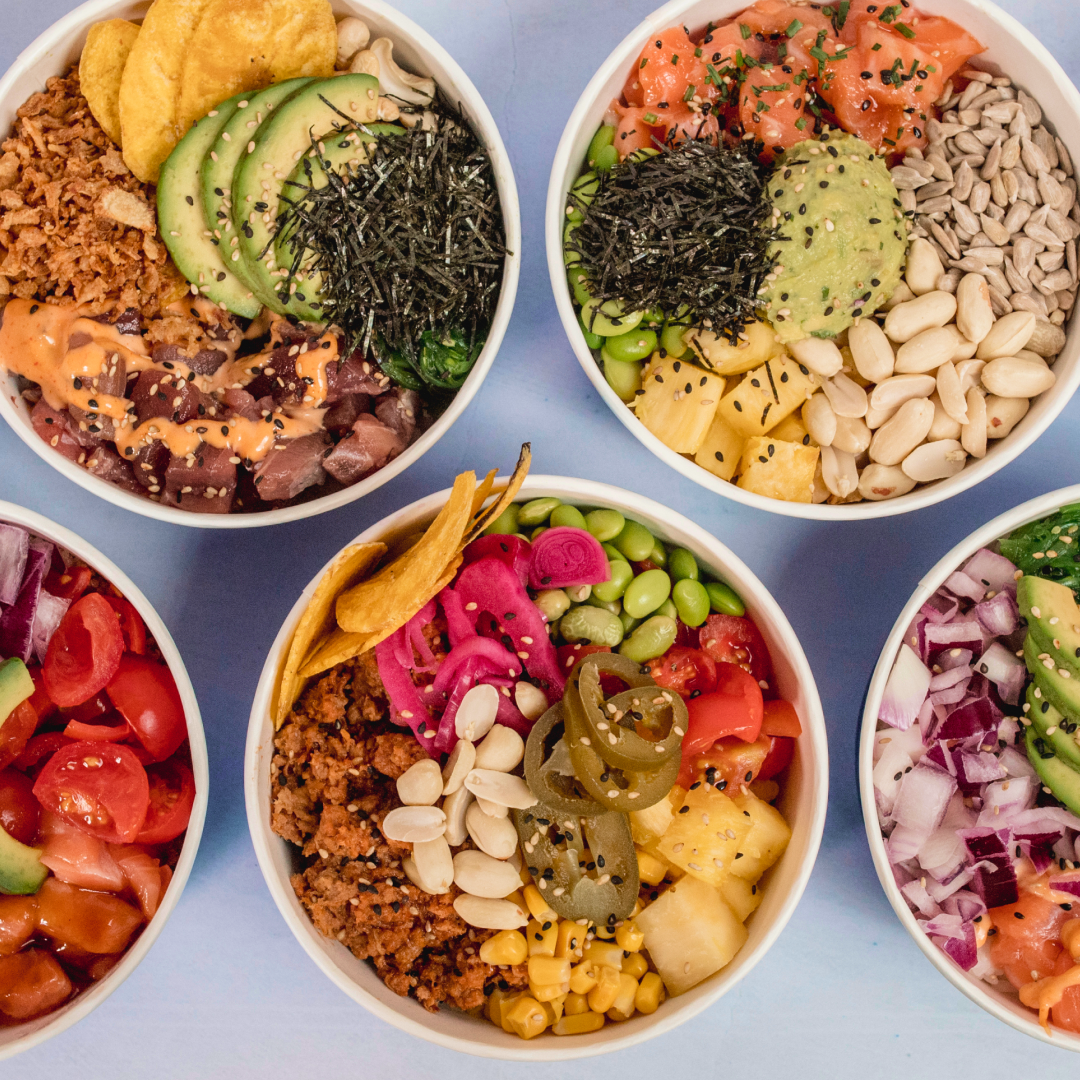
Create Your Poke Bowl
Customize your Poke Bowl with the ingredients you love most.
