

31 Aug Beetroot: Benefits, Properties, and How to Include It in Your Diet
Beetroot: Benefits, Properties
and How to Eat It
At Healthy Poke, we use numerous ingredients in the form of fruits and vegetables to add natural flavor and essential nutrients. Among them, beetroot stands out: a superfood with multiple health benefits.
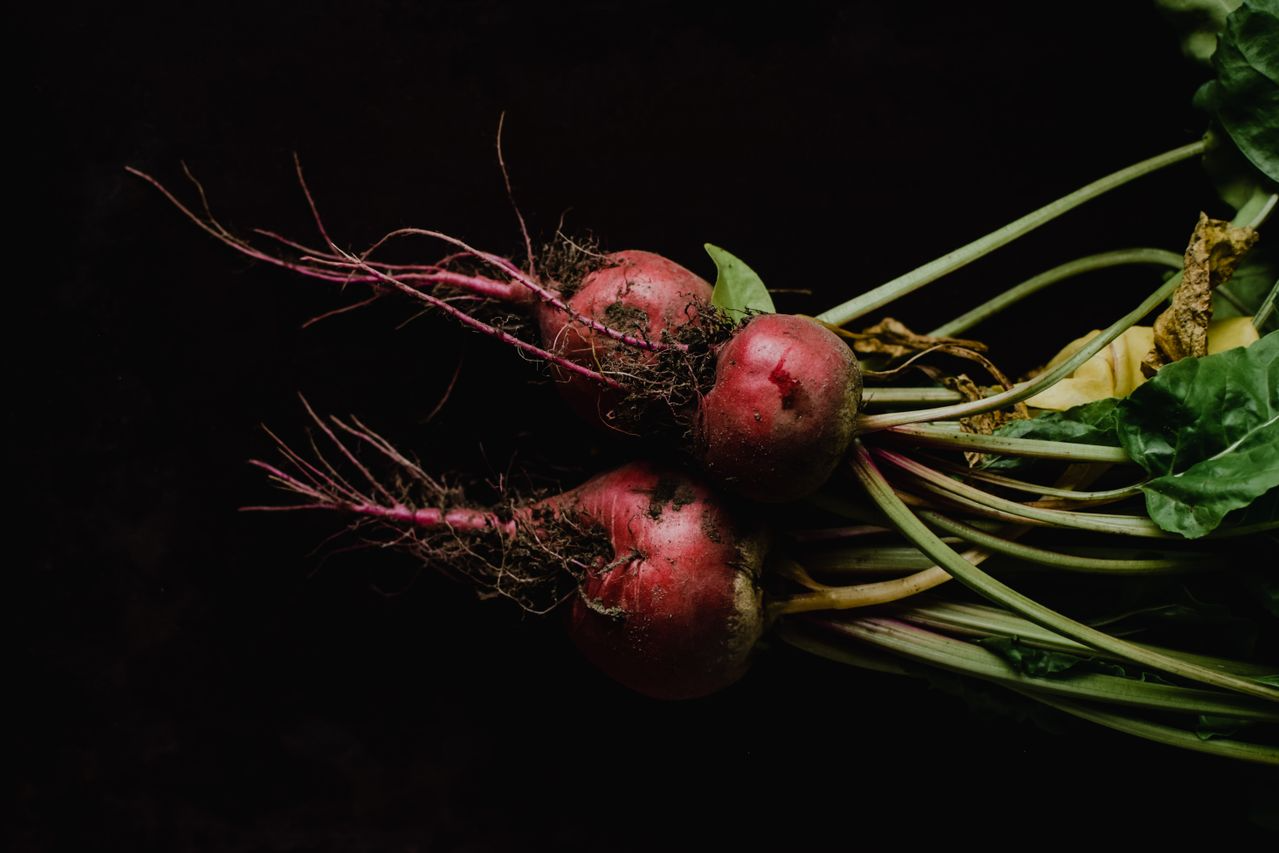
Beetroot is a root vegetable known for its deep purple-red color and for being rich in vitamins, minerals, antioxidants and natural compounds that can contribute to overall well-being. Thanks to its nutritional profile, it is an excellent addition to a balanced diet and can easily be enjoyed in salads, soups, smoothies, poke bowls or as a healthy side dish.
In recent years, numerous studies have highlighted the nutritional properties of beetroot, particularly its content of natural nitrates, betalains and dietary fiber, compounds associated with cardiovascular health, physical performance and protection against oxidative stress.
Below, you’ll discover the main benefits of beetroot, the nutrients it provides and the best ways to enjoy it while making the most of its nutritional value.
What Is Beetroot?
Beetroot (Beta vulgaris) is a root vegetable belonging to the Amaranthaceae family. Although the deep red variety is the most common, beetroot also comes in yellow, white and even striped pink varieties.
Its naturally sweet flavor comes from the sugars it contains, while its firm texture makes it suitable for eating both raw and cooked, allowing it to be incorporated into a wide variety of healthy recipes.
In addition to the root itself, beetroot leaves are also edible and provide vitamins, minerals and antioxidants, making them a nutritious ingredient for salads, stir-fries and other dishes.
Today, beetroot is considered a highly versatile ingredient within the Mediterranean diet and an excellent choice for anyone looking to increase their intake of nutrient-rich vegetables.
Nutritional Properties of Beetroot
One of the reasons beetroot stands out nutritionally is its high concentration of beneficial nutrients while remaining relatively low in calories.
It is particularly rich in:
- Dietary fiber, which supports healthy digestion.
- Folate (Vitamin B9), essential for the formation of new cells and especially important during pregnancy.
- Potassium, a mineral that supports normal muscle function and helps maintain healthy blood pressure.
- Manganese, which contributes to energy metabolism and healthy tissue formation.
- Vitamin C, which supports the normal function of the immune system and helps protect cells from oxidative stress.
- Moderate amounts of iron and magnesium.
- Natural antioxidants, mainly betalains, which give beetroot its characteristic deep red color.
- Natural nitrates, compounds that the body can convert into nitric oxide, helping blood vessels relax and widen.
Beetroot is also composed mostly of water, making it a light, refreshing vegetable that’s easy to include in a healthy diet.
Nutritional Value of Beetroot (per 100 g)
Approximate nutritional values per 100 grams of raw beetroot. Values may vary slightly depending on the variety and preparation method.
Beetroot provides vitamins, minerals and bioactive compounds that, as part of a balanced diet and healthy lifestyle, contribute to the body's normal functioning.
7 Major Health Benefits of Beetroot
Beetroot’s nutritional profile makes it a valuable addition to a healthy diet, offering a variety of potential health benefits.
Although no single food is a miracle solution, regularly including beetroot as part of a balanced diet may help support overall health thanks to its combination of vitamins, minerals, fiber and antioxidants.
Below are some of its most important health benefits.
1. May Support Heart Health
One of the most widely studied benefits of beetroot is its content of natural nitrates.
These compounds can be converted into nitric oxide, a molecule that helps relax and widen blood vessels, improving blood flow and supporting normal cardiovascular function.
Some studies suggest that a diet rich in nitrate-containing vegetables such as beetroot may help maintain healthy blood pressure when combined with an overall healthy lifestyle.
In addition, its potassium content also supports healthy blood pressure by helping balance the effects of sodium in the body.
2. Helps Fight Oxidative Stress
Beetroot’s vibrant purple-red color is more than just visually appealing,it also indicates the presence of betalains, natural pigments with powerful antioxidant properties.
Antioxidants help protect cells against damage caused by free radicals, unstable molecules produced naturally during metabolism that can increase due to factors such as stress, pollution or an unbalanced diet.
Eating antioxidant-rich foods like colorful fruits and vegetables may help maintain healthy cells and promote overall well-being.
3. May Improve Athletic Performance
Beetroot is one of the most widely studied foods in sports nutrition thanks to its content of natural nitrates.
Once consumed, these nitrates can be converted into nitric oxide, helping improve the efficiency with which muscles use oxygen during exercise. This may translate into better endurance performance and reduced fatigue during certain types of physical activity.
For this reason, some athletes include beetroot or beetroot juice in their nutrition plans before training sessions or competitions, always as part of a balanced diet.
Although the effects may vary from person to person, scientific evidence suggests that beetroot may be particularly beneficial for endurance sports such as running, cycling and swimming.
4. Supports Healthy Digestion
Beetroot is a good source of dietary fiber, an essential nutrient for maintaining a healthy digestive system.
Fiber helps promote regular bowel movements, nourishes the gut microbiota and contributes to a longer-lasting feeling of fullness.
In addition, a diet rich in vegetables and fiber may help prevent constipation and support regular digestion.
To maximize these benefits, it is recommended to combine adequate fiber intake with proper hydration and an active lifestyle.
5. May Help Maintain a Healthy Weight
Thanks to its low calorie content and high levels of water and fiber, beetroot can be a valuable addition to a weight management plan.
Its fiber content helps increase satiety, while its naturally sweet flavor makes it an excellent way to enjoy more vegetables without adding refined sugars.
However, no single food can cause weight loss on its own. The benefits of beetroot are best achieved when it is included as part of a balanced diet tailored to individual needs.
6. Provides Antioxidants That Help Protect Cells
One of beetroot’s most distinctive compounds is betalains, the natural pigments responsible for its vibrant red-purple color.
These pigments have antioxidant properties that help protect cells against damage caused by free radicals, unstable molecules naturally produced during metabolism whose accumulation may contribute to cellular aging.
A diet rich in antioxidant-containing fruits and vegetables can help support overall health and reduce oxidative stress.
7. A Source of Essential Vitamins and Minerals
In addition to its antioxidant content, beetroot provides several micronutrients that are essential for the body’s normal functioning.
These include:
- Folate (Vitamin B9), which is essential for the formation of new cells.
- Potassium, which supports normal muscle and nervous system function.
- Magnesium, involved in hundreds of metabolic processes.
- Manganese, which contributes to protecting cells against oxidative stress.
- Vitamin C, which supports the normal function of the immune system.
Eating a wide variety of vegetables on a regular basis is an excellent way to ensure an adequate intake of these essential nutrients.
How to Make the Most of Beetroot’s Benefits in Your Diet

Toast with betroot hummus.
One of beetroot’s greatest advantages is its versatility in the kitchen. It can be enjoyed in many different ways without losing its distinctive flavor.
Some of the most common options include:
- Raw and grated in salads.
- Boiled as a side dish for meat, fish or legumes.
- Roasted to enhance its natural sweetness.
- In vegetable soups and creamy dishes.
- In juices or smoothies combined with fruits and other vegetables.
- As the main ingredient in hummus or vegetable spreads.
- In poke bowls, where it adds vibrant color, texture and a naturally sweet flavor that pairs perfectly with ingredients such as rice, quinoa, avocado, edamame, carrots or salmon.
Whenever possible, it’s best to choose recipes that are low in added salt and unhealthy fats to preserve beetroot’s nutritional benefits.
Is It Better to Eat Beetroot Raw or Cooked?
There is no single correct answer, as both options offer their own advantages.
Raw beetroot retains more vitamin C and other heat-sensitive nutrients while providing a crunchy texture that’s perfect for salads.
Cooked beetroot, on the other hand, is often easier to digest and still retains most of its minerals, fiber and antioxidants, although a small amount of certain vitamins may be lost during cooking.
The best option depends on personal preference and the recipe being prepared. Alternating between both forms is an excellent way to enjoy all the nutritional benefits of beetroot as part of a varied diet.
Beetroot Contraindications
Beetroot is considered a safe food for most people when consumed in moderate amounts as part of a balanced diet.
However, there are a few considerations to keep in mind:
- Due to its oxalate content, people with a history of kidney stones should consult a healthcare professional about the most appropriate amount for their individual needs.
- After eating beetroot, some people may notice a reddish color in their urine or stools. This harmless condition, known as beeturia, is caused by the vegetable’s natural pigments.
- People with naturally low blood pressure or those taking medication to lower blood pressure should consult their doctor before regularly consuming large amounts of beetroot juice, as its natural nitrates may contribute to lower blood pressure.
Overall, enjoying beetroot as part of a varied and balanced diet is a healthy choice for most people.
Where to Buy Beetroot?
Beetroot is available in supermarkets, organic markets, and health food stores. You can also enjoy dishes with beetroot at restaurants like Healthy Poke, where you’ll find healthy and delicious options.
VIEW MENU
If you haven’t tried it yet, go ahead and include beetroot in your daily meals and enjoy all its benefits! 🥗🌿
Conclusion
Beetroot is much more than a colorful root vegetable. Its combination of fiber, vitamins, minerals, antioxidants and natural nitrates makes it a valuable addition to a balanced diet.
Among its main benefits are its contribution to heart health, its antioxidant properties, its supply of essential nutrients and its versatility in the kitchen. It can be enjoyed in many different ways, from salads and soups to smoothies and poke bowls, making it easy to include in your weekly meal plan.
As with any food, the key is to enjoy beetroot as part of a varied diet alongside other nutritious foods and an active lifestyle.
If you’re looking for a delicious way to add more vegetables to your diet, a poke bowl with fresh beetroot is an excellent option to enjoy its flavor, vibrant color and nutritional benefits.
Frequently Asked Questions About Beetroot
What are the nutritional properties of beetroot?
Beetroot is rich in fiber, folate (Vitamin B9), potassium, magnesium, manganese, vitamin C, antioxidants and natural nitrates. Together, these nutrients contribute to the body’s normal functioning when consumed as part of a balanced diet.
What are the main health benefits of beetroot?
Some of the main benefits of beetroot include its antioxidant properties, support for heart health, improved athletic performance, digestive health and its content of essential vitamins and minerals.
Is it better to eat beetroot raw or cooked?
Both options are healthy. Raw beetroot retains more heat-sensitive vitamins, while cooked beetroot is often easier to digest and still preserves most of its minerals, fiber and antioxidants.
Can beetroot help lower blood pressure?
Thanks to its natural nitrate content, beetroot can promote the production of nitric oxide, a molecule associated with blood vessel dilation. Some studies suggest this may help support healthy blood pressure as part of an overall healthy lifestyle.
Does beetroot make you gain weight?
No. Beetroot contains approximately 43 kcal per 100 grams, making it a great addition to a weight management diet. Its water and fiber content also help promote feelings of fullness.
Can you eat beetroot every day?
Yes. Most people can enjoy beetroot regularly as part of a varied and balanced diet. However, individuals with a history of kidney stones or specific medical conditions should consult a healthcare professional before consuming large amounts on a regular basis.
Why does beetroot turn urine or stools red?
After eating beetroot, some people may notice a reddish color in their urine or stools. This harmless condition is known as beeturia and is caused by the vegetable’s natural pigments.
How can I include more beetroot in my diet?
Beetroot can be enjoyed in salads, soups, hummus, smoothies, fresh juices or as an ingredient in a poke bowl. It can also be roasted or served as a healthy side dish with meat, fish or legumes.